
Roof moss removal in Campbell River
Roof moss removal in Campbell River starts with a name and a description of the slope, and that is where the introduction on this site stops. An independent roofer does the scraping, the rinsing, and any fastening that follows, and that roofer warrants the result. There is no yard, no staff list, and no public office behind these pages.
Growth is a clue about water, not a paint problem
Homeowners often call because a north eave has turned green and a gutter has started to smell. That can be moss, algae, or both, and the difference matters to the person on the roof more than it matters to a webpage. Moss builds a mat that holds grit and needles. Algae is usually a thinner film. Either one can keep water against asphalt that would otherwise dry between storms. No climate figure is quoted here, because none was taken from the building bylaw.
Shade, trees, and the south-side highway edge
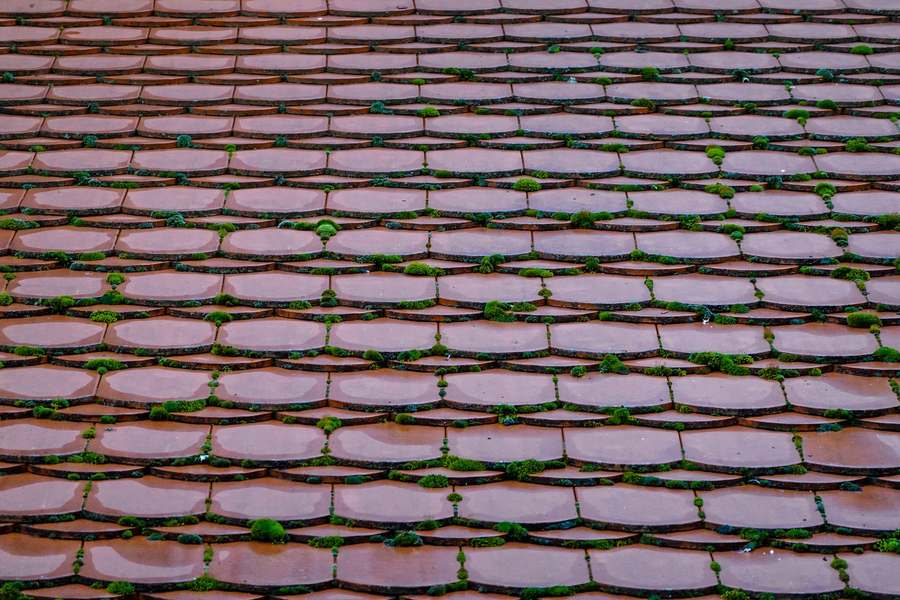
Willow Point's pages on this site already talk about the forest edge along the south side. That is a useful picture for moss: needles in the trough, shade on the eave, and a slope that dries late. Stories Beach is a different exposure, named in the transit plan as a shoreline community, where wind can matter as much as shade. Downtown and Campbellton roofs in the older core often carry chimneys and short valleys that collect debris even without a deep tree cover. Quinsam Heights, inland of the core, is a growth area rather than a harbour street, so the tree cover and the age of the houses will not match Willow Point. North Campbell River, across the river mouth, should not be described as Campbellton with the name swapped.
What a removal visit should refuse to skip
Ask for the troughs to be emptied, not only the field of the roof. Moss that is brushed downhill into a gutter becomes a dam at the next rain, and the overflow often re-enters at the fascia. That loop is why gutters sit beside this topic. A visit that leaves the mat in the downspout has moved the problem six feet.
Ask what will happen to the granules. Aggressive scraping on tired asphalt can do more harm than the moss. The method is the roofer's decision after they see the surface. If a wash is proposed, ask where the water will go and whether the siding and the garden below are protected. A soft deck will not be cured by a clean surface. If walking the slope feels spongy, stop and talk about repair or replacement before more of the mat comes off.
- Which slope is green, and whether it faces trees or open sky.
- Whether a stain has appeared inside, even a faint one.
- How full the gutters are, in plain words, not a guess at weight.
- Any earlier cleaning, and whether the green returned in one season.
- City address or an outlying one such as Stories Beach or Oyster River.
They do not describe your eave. A newer Jubilee Heights roof and an older Campbellton roof can both grow moss if shade and moisture agree. Age of the covering still has to be seen.
How the request moves
Keep the two jobs distinct in your own notes. Cleaning a mat is one request. Closing a leak path is another. Replacing a finished plane is a third. Mixing them into a single vague sentence is how a small eave problem gets sold as a whole new roof, or how a finished roof gets another season of green paint over a wet deck. The roofer you hire should be willing to say which of the three they are looking at.
Is scraping the green off a repair by itself?
Only if the covering underneath is still sound. Once the mat is off, granule loss, curled tabs, and soft spots still have to be seen. A clean surface on a rotten deck is not a finished job.
Why mention the gutters in a moss visit?
Growth brushed downhill lands in the trough and dams the next rain. Overflow then re-enters at the fascia. Emptying the trough is part of leaving the eave able to dry.
Does Willow Point grow moss for the same reason as Stories Beach?
Not always. Willow Point pages on this site already talk about the forest edge and shade. Stories Beach is the shoreline community in the transit plan, where wind exposure is the louder clue. The roofer should hear which street you mean.
Can a photo of the green slope replace the visit?
It can show which plane is affected. It cannot show whether the asphalt underneath has lost its granules or whether the deck is soft. Someone has to walk it.
What should I do if a stain appears while I am waiting?
Switch the request to leak tracing and say the interior is wet. Cleaning can follow. Do not assume the green eave is the only opening.
Who does the clearing?
An independent roofer you choose after this site makes the introduction. That roofer warrants the work. The website has no yard and no treatment brand to sell.